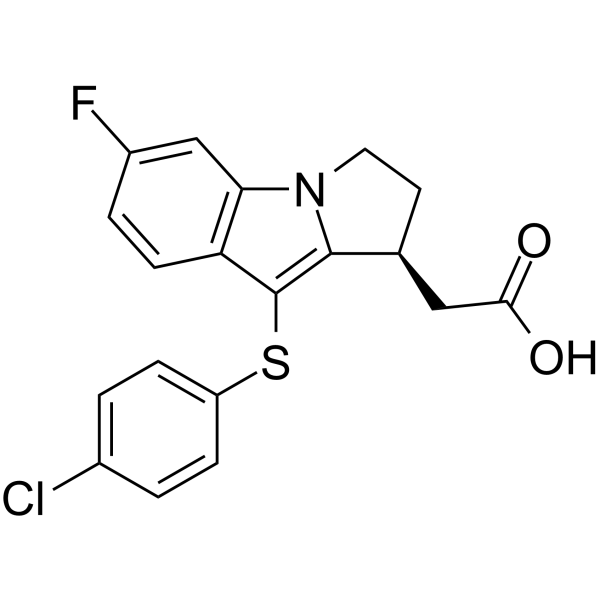
DP
Prostaglandin Receptor DP (DP1/PTGDR) is a prostaglandin D2 (PGD2)-responsive G protein-coupled receptor that primarily signals through Gs proteins, stimulating adenylate cyclase and cyclic AMP production to regulate immune, vascular, and neurological functions[1][2]. Mechanistically, DP1 participates in allergic responses, immune modulation, vasodilation, and sleep regulation, placing the receptor at the intersection of inflammatory and neurophysiological signaling pathways[3]. In disease-relevant settings, PGD2-DP1 signaling has been implicated in allergic airway inflammation and asthma, where receptor activity influences inflammatory responses and airway physiology[4][5]. Experimental studies further associate DP1 signaling with regulation of vascular permeability, mast cell maturation, food allergy development, intestinal tumor suppression, and neuroprotective responses following neurological injury, supporting its utility in diverse disease models[6]. Compared with the related PGD2 receptor DP2 (CRTH2), DP1 belongs to the prostanoid receptor family and may exert biological effects distinct from, and in some contexts counterbalancing, DP2-mediated inflammatory actions[7]. Recent structural studies revealed a distinct activation mechanism for DP1, including a unique activation switch centered on residue K76 and an unconventional helix 8 orientation, highlighting molecular features that differentiate DP1 from many class A GPCRs[3]. For experimental applications, selective agonists such as BW245C and selective antagonists or inverse agonists have been widely used to define ligand recognition, receptor activation, and downstream signaling mechanisms in DP1-focused research[3][7].
-
DP Related Products (46)
Related Products (46)

-
Prostaglandin D2
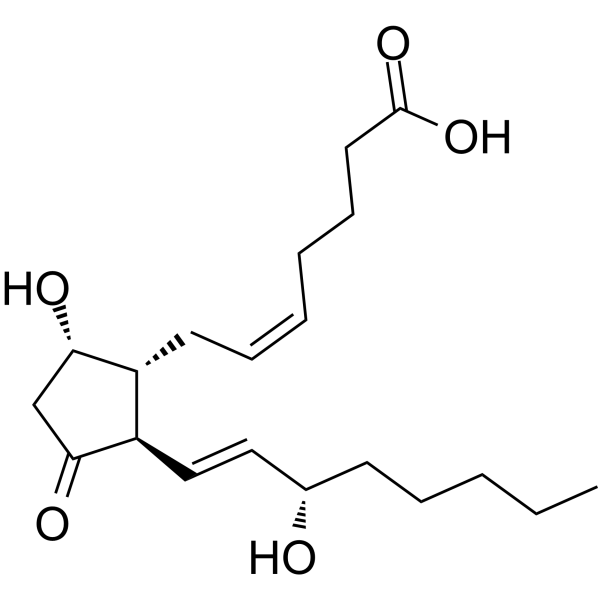 0 ImagesSynonyms: PGD2Prostaglandin D2 (PGD2) is one of the major PGs actively produced in the brain of various mammals. Prostaglandin D2 is one of the most potent endogenous sleep promoting substances. PGD2 plays a protective role by suppressing inflammation.
-
Tranilast
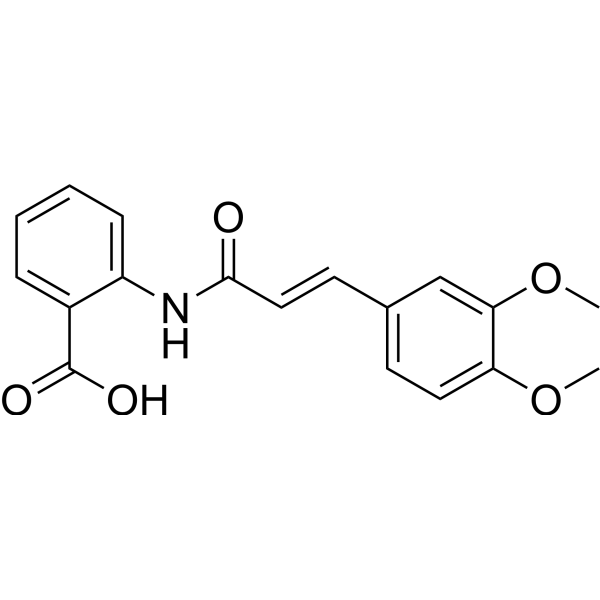 0 ImagesSynonyms: MK-341; SB 252218Tranilast (MK-341) acts as an anti-atopic agent. Tranilast suppresses production of prostaglandin D2 (PGD2, IC50= 0.1 mM). Tranilast sodium exhibits anti-inflammatory and immunomodulatory effects. Tranilast sodium antagonizes angiotensin II and inhibits its biological effects in vascular smooth muscle cells.
-
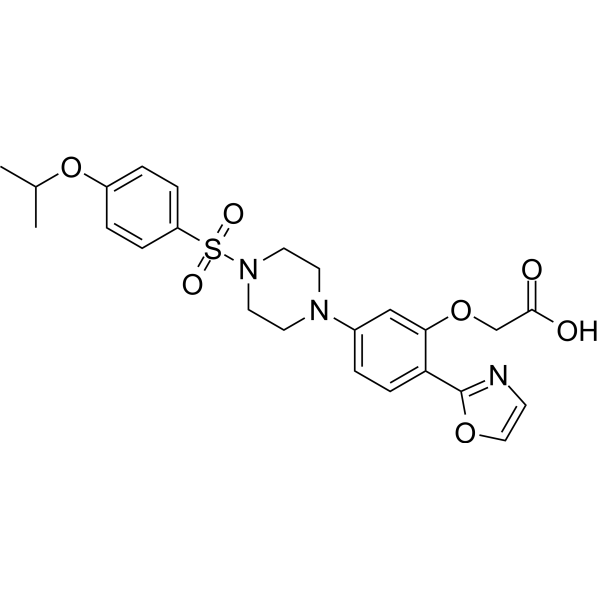
Laropiprant
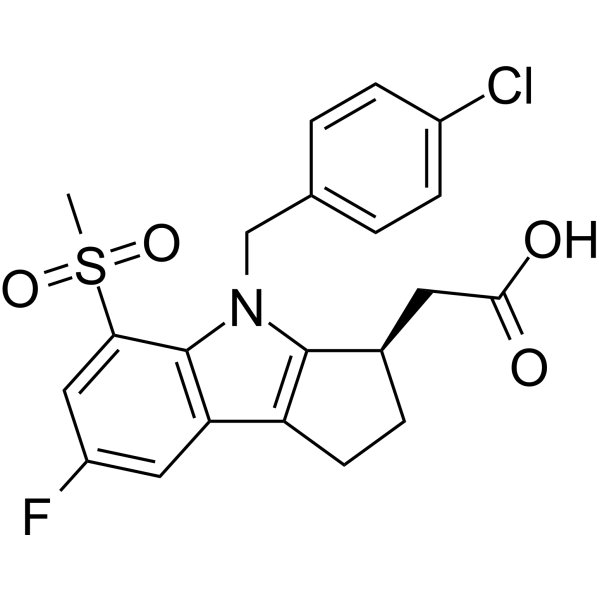 0 ImagesSynonyms: MK-0524
-
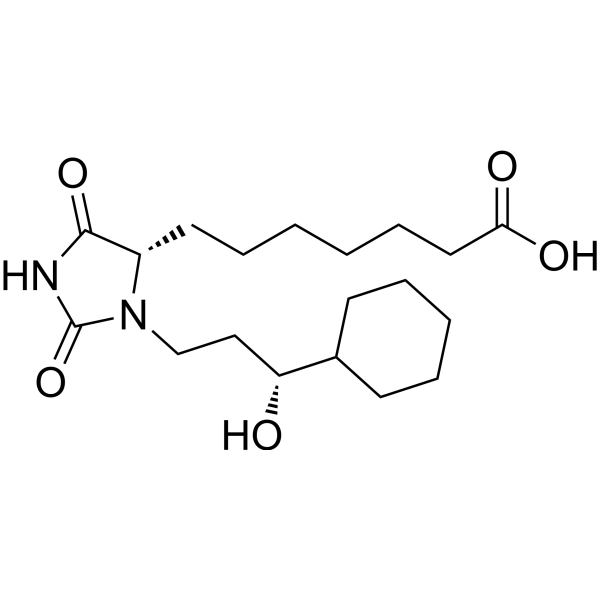
AL-6556
 0 ImagesCat. No.: HY-182473CAS No.: 170552-18-8AL-6556 is a full agonist of the DP receptor and a partial agonist of the EP2 receptor. AL-6556 has an EC50 of 799 nM for bovine DP, a Ki of 3200 nM for human DP, and an EC50 of 1180 nM for human EP2, with selectivity over EP3, FP, IP, TP and 19 non-prostaglandin receptors. AL-6556 stimulates cAMP production via receptor activation and reduces intraocular pressure through aqueous humor inflow and outflow mechanisms. AL-6556 can be used in research related to ocular hypertension and glaucoma.
-
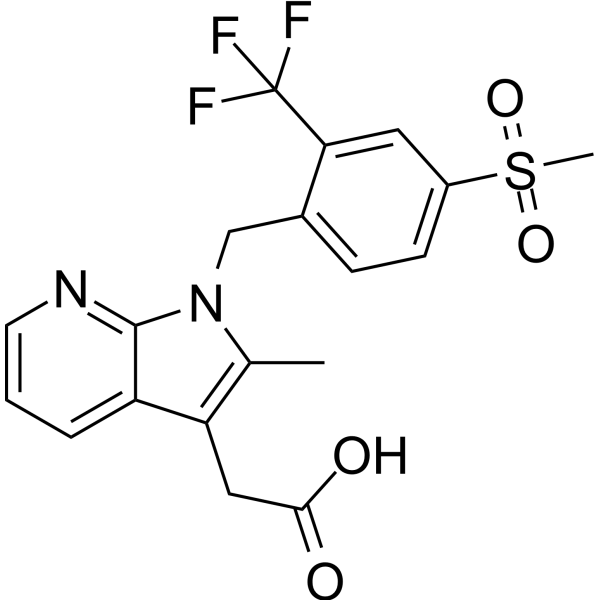
AGN 225660
 0 ImagesCat. No.: HY-183037CAS No.: 1354060-46-0AGN 225660 is a multi-prostanoid receptor antagonist with human IC50 values of 70, 70, 5, 220 and 180 nM for EP1, EP4, TP, DP1, FP. AGN 225660 inhibits secretion of RANTES, IL-8, MCP-1, IL-12p70, and IL-23. AGN 225660 exhibits good ocular bioavailability and reduces ocular inflammation linked to phacoemulsification surgery and uveitis.
-
Prostaglandin J2
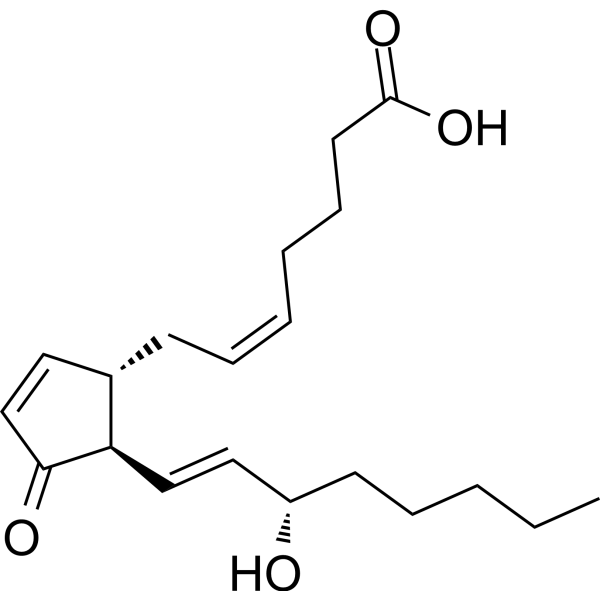 0 ImagesSynonyms: PGJ2Prostaglandin J2 (PGJ2), an endogenous metabolite of Prostaglandin D2 (PGD2; HY-101988), is a potent PGD2 receptor (DP) agonist with Kis of 0.9 nM and 6.6 nM for hDP and hCRTH2, respectively. Prostaglandin J2 stimulates intracellular cyclic AMP production with an EC50 value of 1.2 nM. Prostaglandin J2 induces oxidative stress and neuronal apoptosis. Prostaglandin J2 induces the accumulation/aggregation of ubiquitinated (Ub) proteins. Prostaglandin J2 is highly neurotoxic and potentially contributes to many neurodegenerative conditions, including Alzheimer's (AD) and Parkinson's diseases (PD).
-
Timapiprant
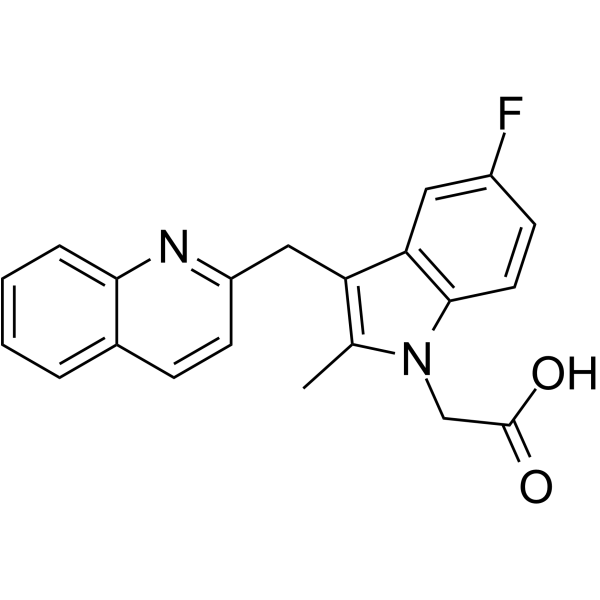 0 ImagesSynonyms: OC000459Timapiprant (OC000459) is a potent, selective, and orally active D prostanoid receptor 2 (DP2, also known as CRTH2) antagonist. Timapiprant (OC000459) potently displaces [3H] PGD2 from human recombinant DP2 (Ki=13 nM), rat recombinant DP2 (Ki=3 nM), and human native DP2 (Ki=4 nM). Timapiprant (OC000459) inhibits mast cell activation of Th2 lymphocytes and eosinophils.
-
Ramatroban
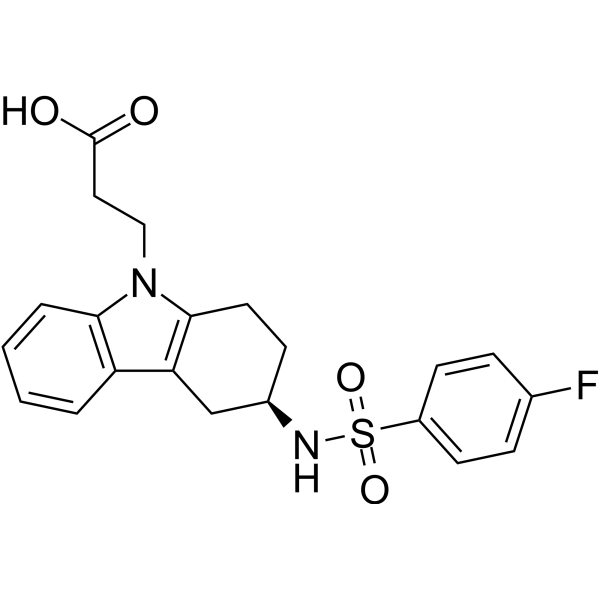 0 ImagesSynonyms: BAY u3405Ramatroban is a selective thromboxane A2 (TxA2, IC50=14 nM) antagonist, which also antagonizes CRTH2 (IC50=113 nM) by inhibiting PGD2 binding.
-
Treprostinil sodium
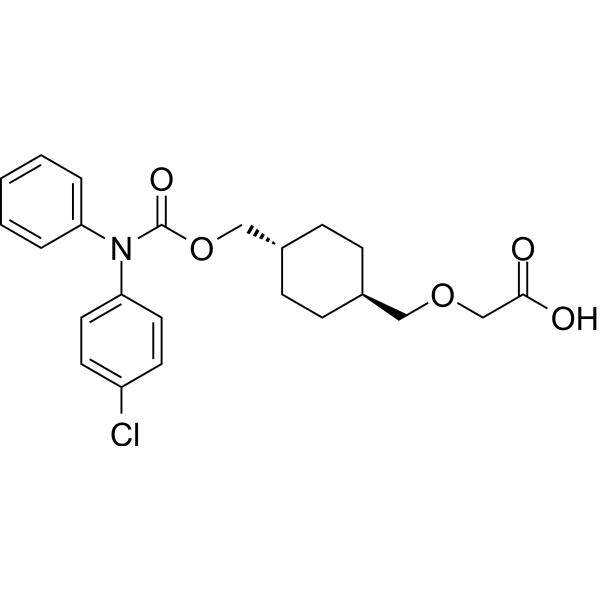
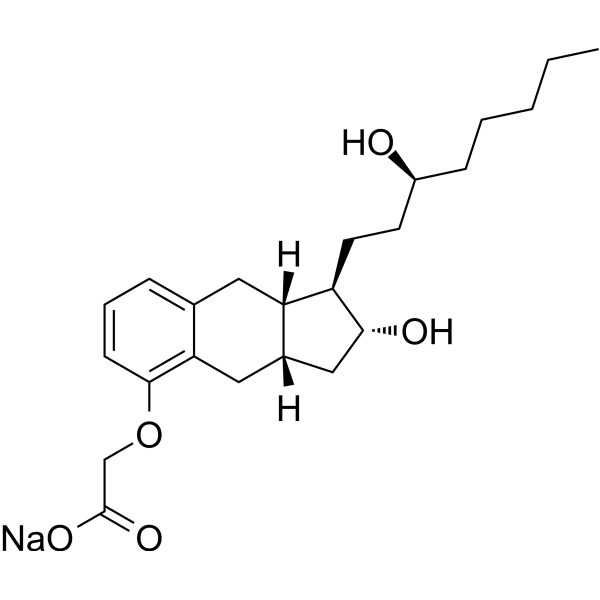 0 ImagesSynonyms: UT-15 sodiumTreprostinil (UT-15) sodium is a potent DP1 and EP2 agonist with EC50 values of 0.6±0.1 and 6.2±1.2 nM, respectively.
-
Treprostinil palmitil
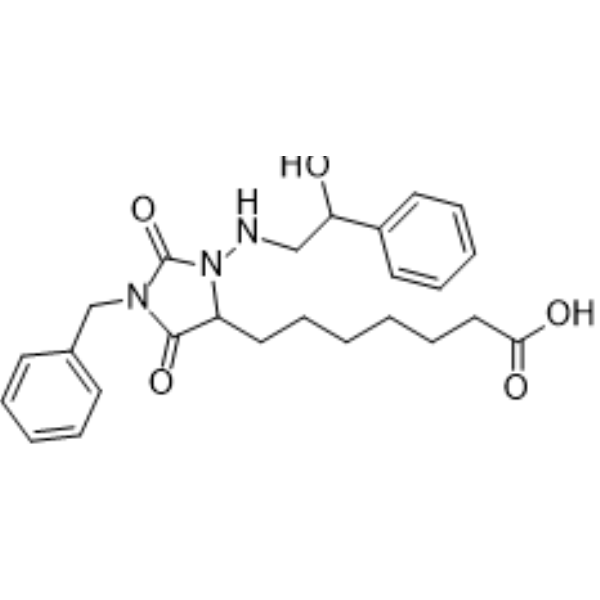
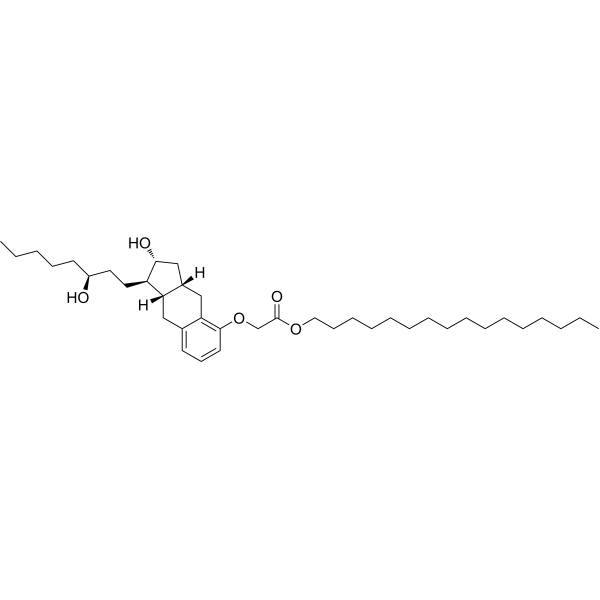 0 ImagesSynonyms: INS-1009Treprostinil palmitil is a long-acting inhaled pulmonary vasodilator prodrug of Treprostinil (HY-100441), formulated in a lipid nanoparticle (LNP). Treprostinil palmitil can inhibit pulmonary vascular remodeling induced by Su/Hx challenge in rats. Treprostinil palmitil can induce cough. Treprostinil palmitil demonstrates a sustained presence in the lungs with reduced systemic exposure and prolonged inhibition of hypoxia-induced pulmonary vasoconstriction in vivo. Treprostinil palmitil can be studied in research for pulmonary arterial hypertension and interstitial lung disease.
-
Prostaglandin D2-d4
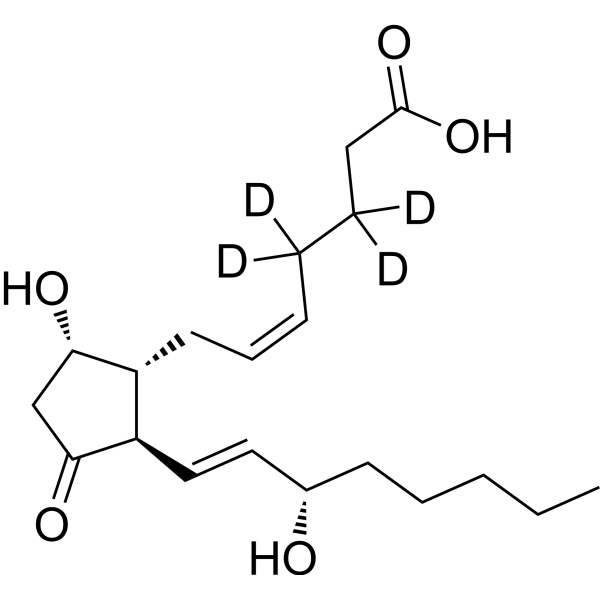 0 ImagesSynonyms: PGD2-d4Prostaglandin D2-d4 is the deuterium labeled Prostaglandin D2. Prostaglandin D2 (PGD2) is one of the major PGs actively produced in the brain of various mammals. Prostaglandin D2 is one of the most potent endogenous sleep promoting substances. PGD2 plays a protective role by suppressing inflammation.
-
CAY10471
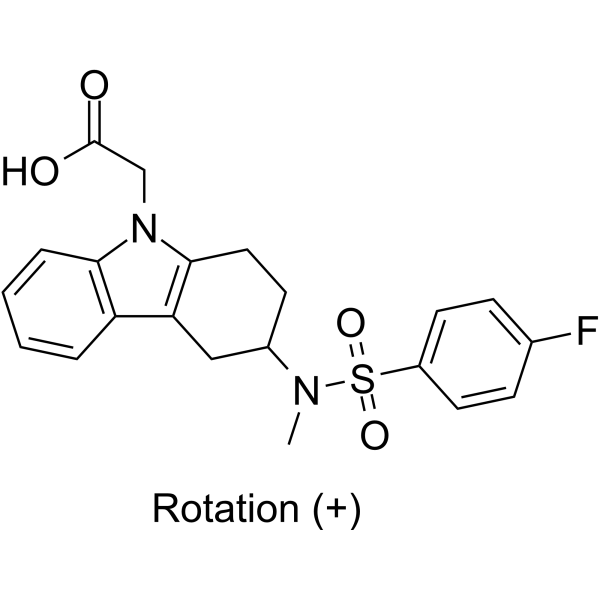 0 ImagesSynonyms: TM30089CAY10471 (TM30089) is a potent, selective, and orally active prostaglandin D2 receptor CRTH2 antagonist. CAY10471 attenuates the progression of tubulointerstitial fibrosis and chronic contact hypersensitivity (CHS) in animal model.
-
13,14-Dihydro-15-keto prostaglandin D2
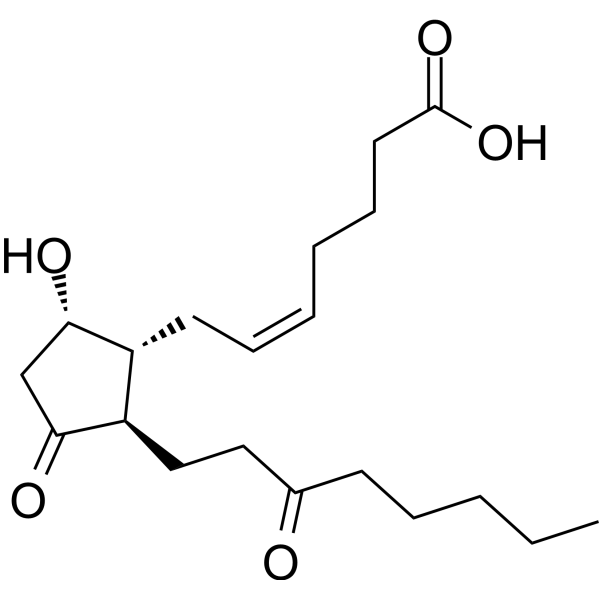 0 ImagesSynonyms: DK-PGD2; 15-Oxo-13,14-dihydro-PGD2; 13,14-Dihydro-15-keto-PGD213,14-Dihydro-15-keto prostaglandin D2 (DK-PGD2; 15-Oxo-13,14-dihydro-PGD2; 13,14-Dihydro-15-keto-PGD2) is a metabolite of Prostaglandin D2 (HY-101988) and acts as a CRTH2 agonist. 13,14-Dihydro-15-keto-prostaglandin D2 exhibits binding activity to CRTH2, induces cellular calcium signaling flux, and mediates eosinophilia in vivo. 13,14-Dihydro-15-keto-prostaglandin D2 activates the CRTH2 receptor, triggering Gi-dependent intracellular calcium mobilization and promoting the migration and recruitment of leukocytes from bone marrow to peripheral blood in vivo. 13,14-Dihydro-15-keto prostaglandin D2 is used in research on inflammation-related diseases, such as bronchial asthma.